
Sub-maximal exercise testing for metabolic flexibility: A possible window into mitochondrial function

Introduction Over the past two decades, the increasing prevalence of metabolic syndrome (MetS) has emerged as a significant global public health issue. Currently, over one-third of adults meet the criteria for MetS [1]. More concerning, however, is a recent report indicating that less than 20% of U.S. adults are metabolically healthy [2]. Metabolic health is […]
Is maximal oxygen consumption an appropriate metric for metabolichealth?

Cardiorespiratory fitness (CRF), assessed by maximal oxygen consumption (V̇ O2 max) testing, is a strong predictor of chronic disease and all-cause mortality. However, recent evidence suggests that V̇ O2 max may lack specificity and sensitivity in assessing metabolic health, particularly mitochondrial function, which is associated with metabolic diseases such as type 2 diabetes, insulin resistance, […]
Exercise Testing for Metabolic Flexibility: Time for Protocol Standardization

Metabolic syndrome (MetS) is a combination of risk factors that contribute to the development of many of today’s chronic diseases. Rates of MetS continue to increase and it is now considered a worldwide epidemic. As with many chronic diseases it may take years for symptoms and the effects of MetS to manifest into severe health […]
Articular Wear Patterns Observed in Hip Arthroscopic Patients Across Early Disease States: A Retrospective Cohort Study

Long-term Return to Sports After Anterior Cruciate Ligament Injury: Reconstruction vs No Reconstruction-A Comparison of 2 Case Series
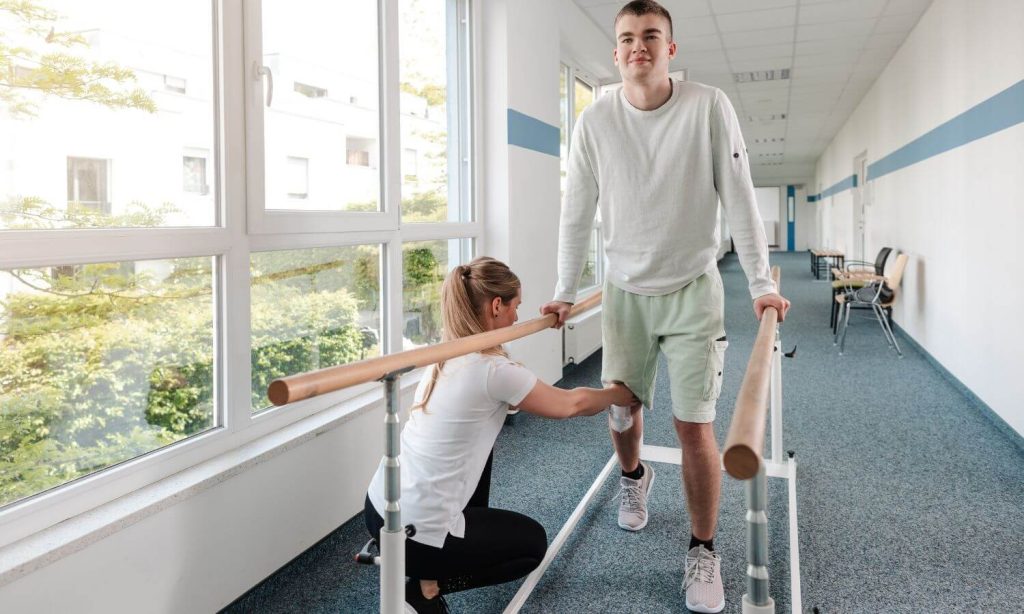
Background: Reconstruction is considered to provide the best opportunity for return to sports (RTS) after anterior cruciate ligament (ACL) rupture. However, recent studies report that <50% of athletes return to preinjury sporting levels and that RTS rates at 1 year after injury are the same for athletes undergoing reconstruction and nonoperative management. Long-term studies are […]
Fatigue Indices and Perceived Exertion Highlight Ergometer Specificity for Repeated Sprint Ability Testing

Abstract: This study aimed to compare the time course of measures of performance, fatigue, and perceived exertion during repeated-sprint ability (RSA) testing performed on a non-motorized treadmill (NMT) and cycling ergometer (CE). Fourteen physically active participants performed two 10 ×6 s
Similar rates of fat oxidation during graded submaximal exercise in women of different body composition

Body composition influences blood pressure during submaximal graded test in women
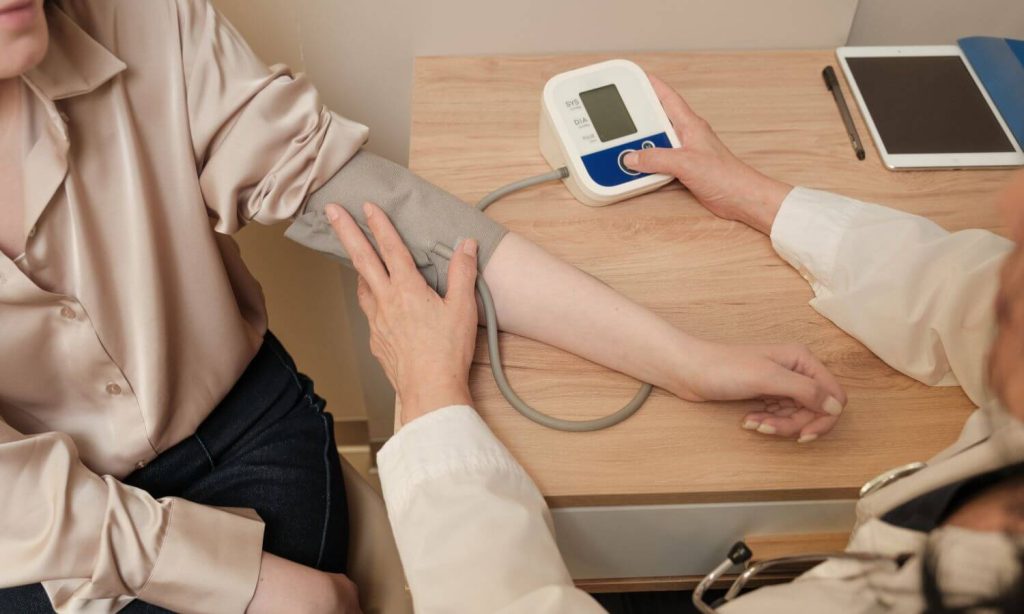
Abstract: This study aimed to determine whether body composition affected cardiovascular responses of normal , overweight and obese women by comparing heart rate (HR) and blood pressure (BP) during a graded submaximal treadmill exercise. Thirty five healthy non-smoking, premenopausal women (age 30.8 ± 9.5 yr; height 1.66 ± 0.05 m; weight 73.8 ± 18.9 kg; […]
Dynamic Jump Analysis and the Contributions of Lower Limb Kinematics

Abstract: Analysis of various dynamic jumping movements is a common modality used in a range of populations including patients with acute musculoskeletal injury, chronic disease conditions and elite athletes. There is confidence within the scientific community with regard to many of the variables extracted from the analysis of dynamic jumping movements. However considerable variation exists […]
The Effect of Previous Wingate Performance Using one Body Region on Subsequent Wingate Performance Using a Different Body Region

Abstract: The 30 second Wingate Anaerobic Test (WAnT) is the gold standard measure of anaerobic performance. The present investigation aimed to determine if a previous WAnT using one body region significantly affected a subsequent WAnT using a different body region. Twelve male university students (n = 12, 23±2 years, 84±16.1 kg, 178.5±7.4 cm) volunteered to […]